
How Do You Position Your Cantilever Umbrella to Avoid Wind Damage?


How Do You Position Your Cantilever Umbrella to Avoid Wind Damage?
Table Of Contents
-
Standing tall and proud on your patio, a cantilever umbrella adds a touch of luxury to your outdoor space. But being the centerpiece of your setup, it often has to stand up to whatever Mother Nature throws its way.
Out of all the elements, wind is the biggest troublemaker for cantilever outdoor umbrellas. It’s not just a breeze; it can bend poles, tear fabrics, or, worse, topple the whole thing. A sudden gust can leave you with a damaged canopy or a broken frame that leaves you with no choice but to replace the entire umbrella. Let’s be honest, it’s not cheap.
To save you from these unnecessary expenses, we at Instashade have rounded up a few practical tips to help you position your cantilever umbrella in a way that minimizes wind damage. Before we head straight to tips, it's helpful to understand wind resistance in the cantilever Umbrellas to ensure you’re buying the right one according to the weather at your place.
-
Understanding Wind Resistance in Cantilever Umbrellas
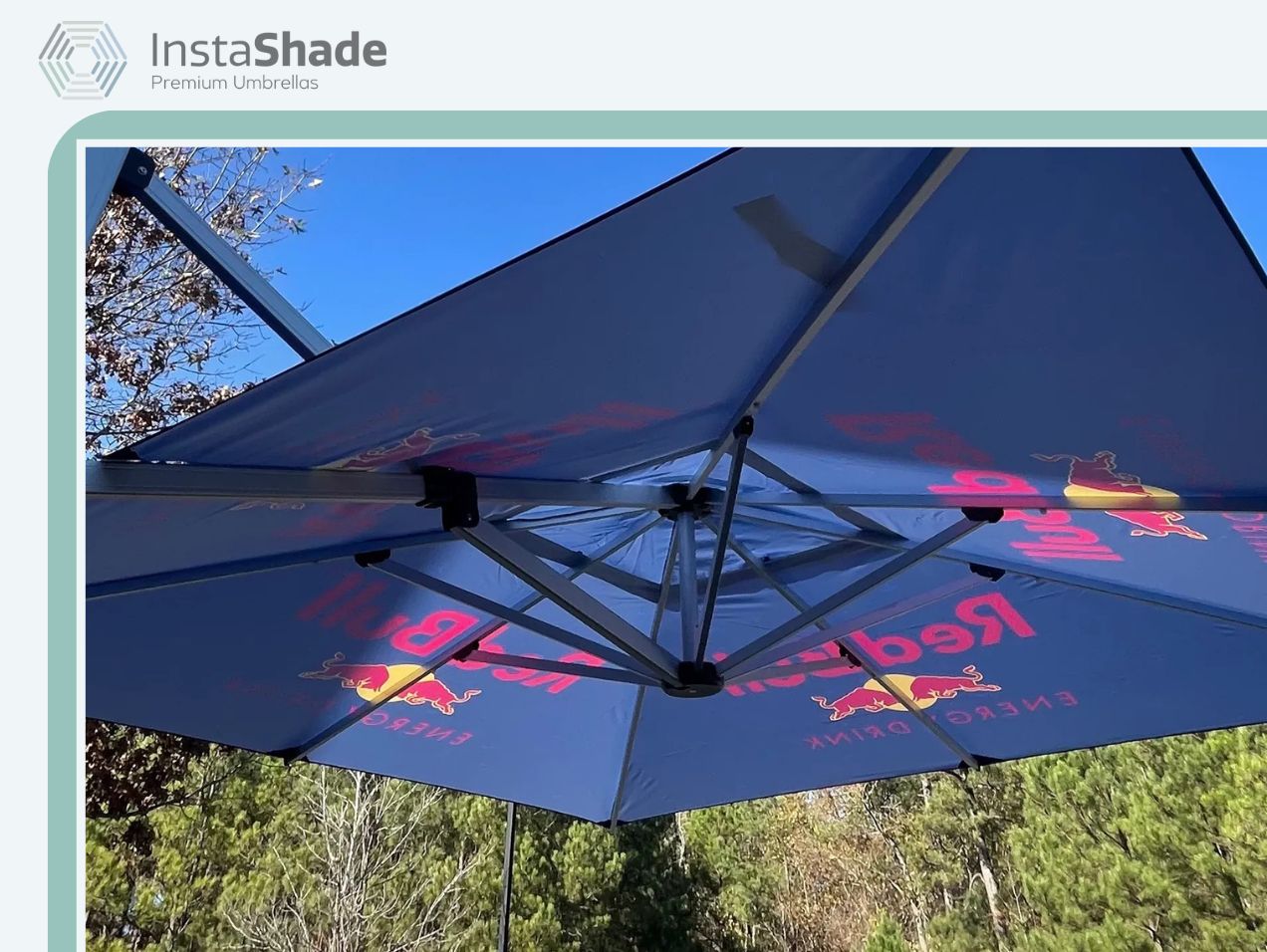
Understanding Wind Resistance in Cantilever Umbrellas There are numerous features you need to consider when selecting the right outdoor umbrella. However, in the context of having good wind resistance, here are the two primary factors you should consider:
Look for Wind Ratings:
When it comes to choosing a high-quality cantilever umbrella, wind resistance is crucial, especially if you’re expecting a breeze (or worse!).
Checking for wind ratings is a good place to start. The higher the wind rating, the better it can handle gusts without flipping over.
For instance, the InstaShade cantilever umbrella can withstand wind speeds up to 35mph, equivalent to a Beaufort 7 rating. But it’s not all about the ratings, what the umbrella’s made from is just as important.
Select Durable Materials:
Aluminum material frames are quite durable for cantilever outdoor umbrellas. They are lightweight but tough enough to handle windy conditions without getting too wobbly. Moreover, the material of the fabric is just as important; look for weather-resistant options that can handle rain, UV rays, and heavy gusts, like acrylic or Sunbrella.
-
5 Crucial Positioning Tips To Avoid Wind Damage To Your Cantilever Umbrella
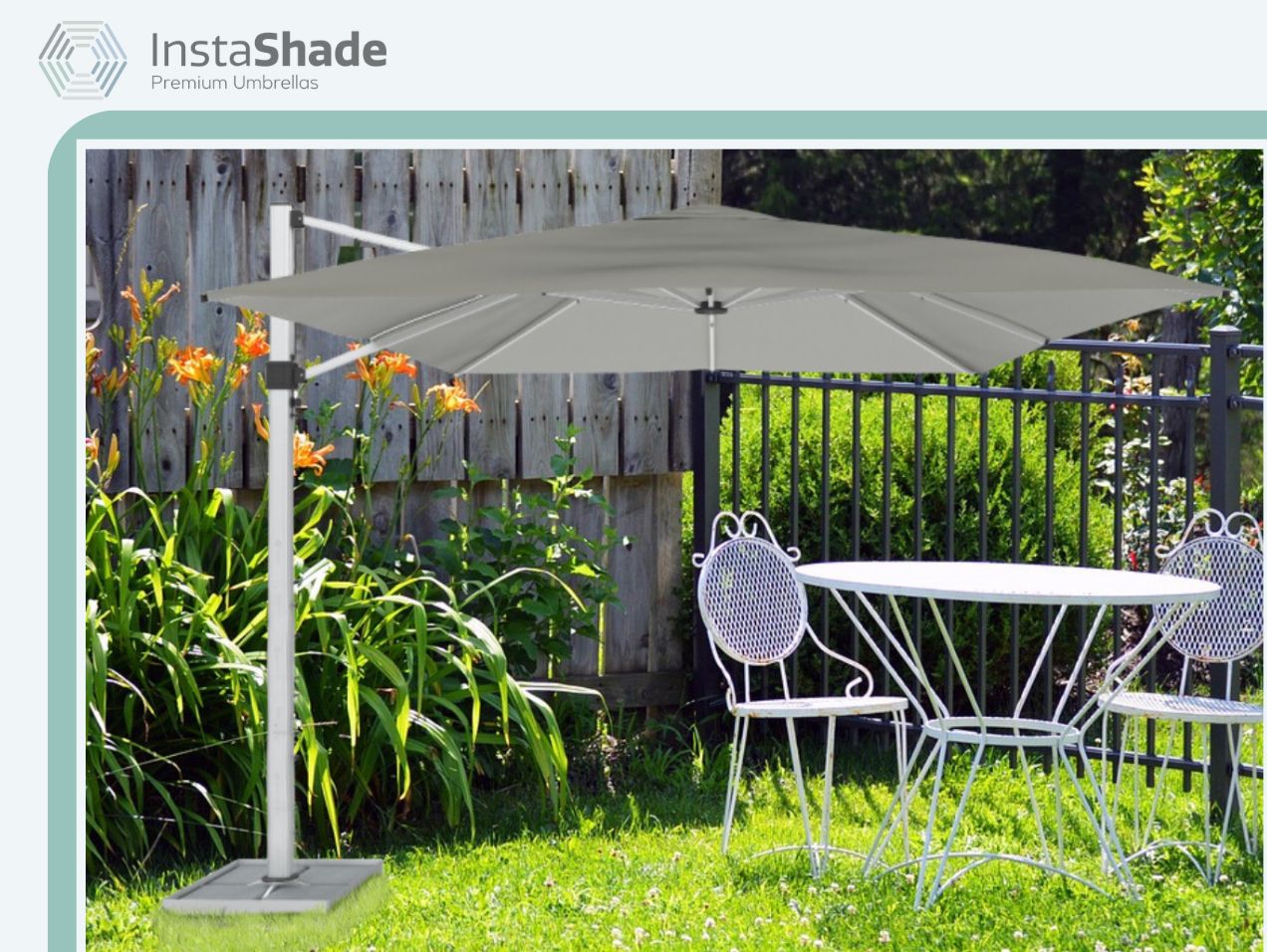
5 Crucial Positioning Tips To Avoid Wind Damage To Your Cantilever Umbrella When choosing the perfect spot for your cantilever outdoor umbrella, keep these tips in mind to ensure it stays safe and undamaged by the wind.
Choosing the Right Location
A good location makes all the difference when it comes to your cantilever umbrella’s ability to handle the wind.
-
a. Sheltered Place is a Way Better Option:
For starters, placing it somewhere sheltered, near walls or fences, can help shield the umbrella from direct gusts. A little protection from the wind will go a long way in preventing unnecessary strain.
-
b. Avoid Open Spaces:
On the flip side, try to avoid open spaces where the umbrella could be directly exposed to strong winds. A wide-open area with no protection spells disaster. However, if you decide to have it installed by the poolside or in an open space anyway, select ground mount plate. Also, make sure to leave enough space between the umbrella and nearby trees, walls, or structures. You don’t want anything to get in the way when the wind picks up.
Securing the Umbrella Properly
A strong, well-placed umbrella needs a good base to keep it standing tall and steady.
-
a. The More Weight, The Better:
Heavyweights like water, sand, or concrete are essential to keep your umbrella firmly grounded. Why? Because the last thing you want is for it to get knocked over during a gust.
-
b. Check the Base, Use Reinforcement:
For extra peace of mind, you can also add tie-down straps or securing pegs to keep everything in place. And don’t forget to check that your umbrella’s base is on a flat, stable surface. This is key to keeping your umbrella from tipping over, even during a windy spell.
But which type of base do you need? Make decision wisely and choose the right type of cantilever umbrella base for stability and safety
Adjusting the Umbrella to Minimize Wind Impact
One way to protect your umbrella from wind is by adjusting its canopy.
-
a. Angle the Canopy:
Instead of letting the wind hit it head-on, angle it to help deflect the gusts. This allows the wind to pass around it instead of putting too much pressure on the fabric and frame.
-
b. Use the Tilt Features:
If your umbrella has a tilt feature, now’s the time to use it. A small adjustment in the tilt can help the wind glide around the canopy, reducing strain and keeping your umbrella standing strong. Keep an eye on the conditions and make quick adjustments to stay ahead of the wind.
Closing the Umbrella During High Winds
When the wind really starts to pick up, sometimes the best thing to do is to close it up
-
a. Keep a Tab on the Forecast:
If you know a storm is coming or the wind speed is getting too high, retract the umbrella to prevent any damage. It’s better to store it safely than risk it getting blown around and causing issues.
-
b. Cover It Up, Move to The Shelter:
If you can’t bring it inside, at least move it to a sheltered area or cover it up to protect it from the elements. Closing your umbrella during strong winds ensures it’s ready for the next time you need it.
Regular Maintenance and Inspections
Just like any outdoor furniture, your cantilever umbrella needs some TLC.
-
a. Inspecting for Wear and Tear:
Regularly inspect the frame and canopy for any signs of wear, this is especially important if it’s been exposed to wind or rough weather. Look for loose parts, rust, or holes in the fabric, and address any issues before they get worse.
-
b. Cleaning and Maintaining:
Make sure to clean the umbrella regularly, too. Debris, dirt, and even mold can build up over time, affecting both the look and the function of your umbrella. Keeping it clean and well-maintained will extend its life and ensure that it’s always ready to stand up to whatever nature throws at it.
-
-
Here’s the Wrap Up
Protecting your cantilever outdoor umbrella from wind damage isn’t as complicated as it may seem. With a little thought, preparation, and care, you can keep your umbrella standing tall for years to come. By choosing a wind-resistant, high-quality cantilever umbrella, positioning it wisely, securing it properly, and adjusting it to minimize wind impact, you can avoid the common pitfalls that lead to damage.
Don’t forget to close it during high winds and give it the regular maintenance it deserves. A little effort now can save you from costly replacements later. After all, your umbrella is more than just shade; it’s part of the outdoor vibe you’ve created. So, keep it safe, and let it keep you covered.
And in case you’re looking for a replacement, visit InstaShade now and get a high-quality cantilever umbrella for your patio. With excellent wind resistance, our cantilever umbrella saves you from the numerous expenses that strong winds cause.
-
FAQs on Positioning Your Cantilever Umbrella
1. Are cantilever umbrellas good in wind?
▶Yes, cantilever umbrellas are designed to withstand wind, especially those with high wind ratings and durable materials. However, they need proper positioning and securing to handle strong gusts effectively.
2. How much wind can a cantilever umbrella take?
▶A high-quality cantilever umbrella can typically handle winds up to 35-40 mph, depending on its wind rating and materials. Always check the manufacturer's guidelines for specific wind resistance.
3. How do I secure my cantilever umbrella in windy conditions?
▶Use heavy base weights, such as water, sand, or concrete. Tie-down straps and ensuring the umbrella is on a flat, stable surface can also help prevent tipping during gusts.
4. Should I close my cantilever umbrella in strong winds?
▶Yes, it's best to close your umbrella when wind speeds increase or a storm approaches. This prevents damage and ensures its longevity by avoiding unnecessary strain on the frame and fabric.
Need more advice? InstaShade’s experts are here to
help!